
The county between the cities
Douglas County fills the ground between Denver and Colorado Springs — Highlands Ranch and Lone Tree pressed against the metro at the north end, Castle Rock in the middle, and the Palmer Divide rising toward Larkspur at the south. The housing splits the same way: some of the largest master-planned communities in Colorado, built mostly in the last thirty years, and ponderosa-covered acreage in the unincorporated country between and beyond them.
Where we build in Douglas County
Castle Rock is the county seat and our busiest Douglas County town, full of builder-grade decks hitting replacement age; Parker is much the same story a few miles east. Highlands Ranch is the county's biggest community. Lone Tree brings smaller, higher-end lots where the railing choice carries the design, and Castle Pines sits in the pines with HOA review on nearly every street. Further out, Roxborough Park backs up to red rock and real wildfire exposure, Larkspur puts us on the Divide itself — Perry Park and Sage Port included — and Franktown is acreage country where the deck is often the best room on the property.
Permits: one county, five town counters
The Douglas County Building Division issues permits for unincorporated addresses — Roxborough Park, Franktown, Sedalia, most Larkspur addresses including Perry Park and Sage Port, and Highlands Ranch, where the HRCA wants architectural review completed before you submit. Castle Rock, Parker, Lone Tree, Castle Pines, and the town core of Larkspur each run their own building departments. We confirm the right counter for your address, prepare one clean packet, and manage inspections through final — our permit guide covers the background.
Snow by elevation, footings by frost
Douglas County sets design snow load by elevation: a 30 psf floor that rises as the ground climbs toward the Palmer Divide, sizing every beam and post under a covered deck or pergola — a Sage Port structure carries more steel and lumber than the same footprint in Lone Tree. Frost depth runs 30 to 36 inches countywide, which sets footing depth on every project. We engineer to the numbers for the parcel.
Master plans and ponderosa acreage
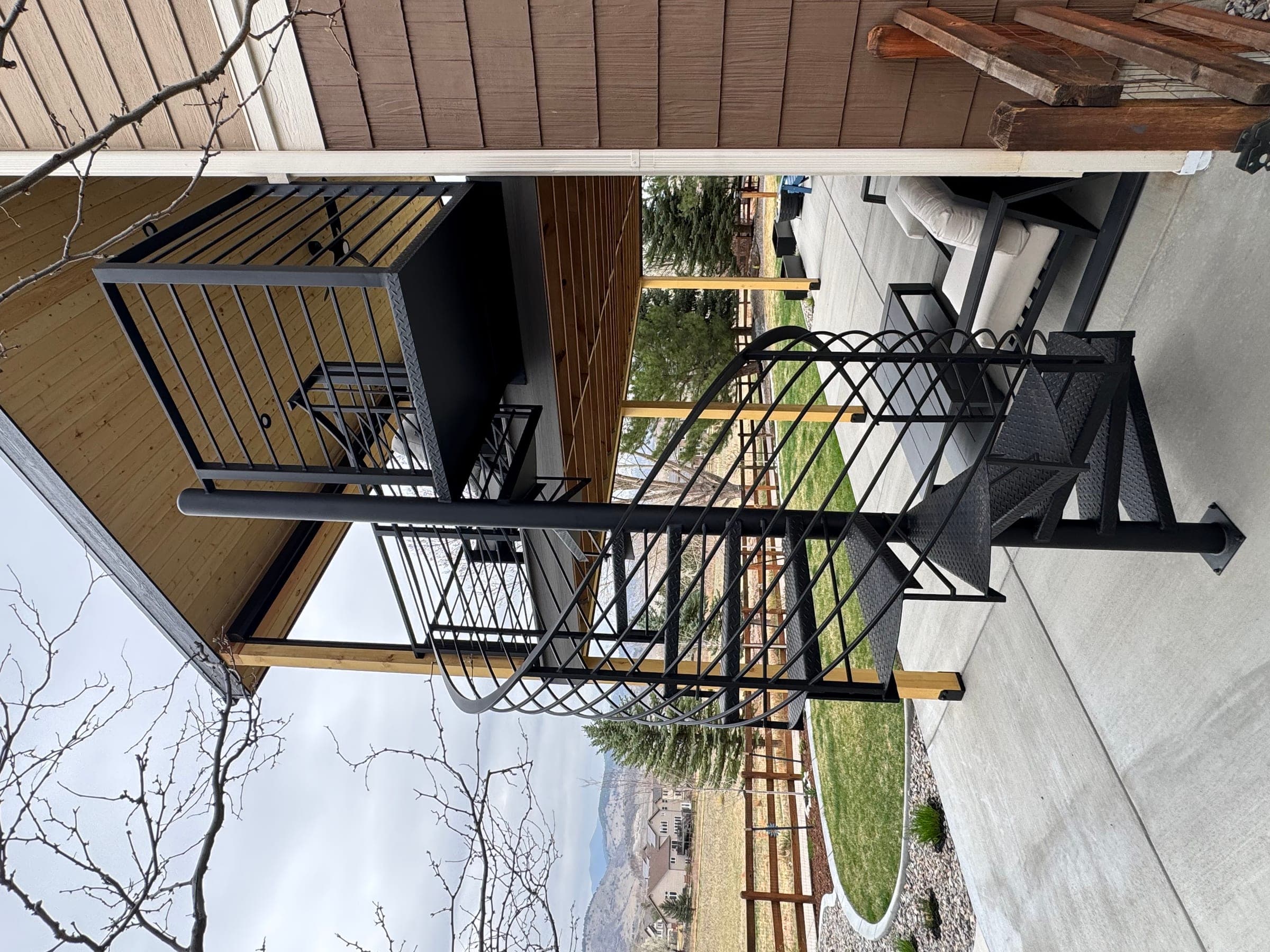
At the metro end, the work is mostly replacement: production homes shipped with minimum-spec wood decks now sagging, and swapping one for an engineered composite deck is the most common quote we write here. On the acreage side, projects get bigger and more structural — walkouts, covered sections, railing chosen to keep the view. Where an existing frame is sound we say so and price a re-deck; where it is not, a replacement built once beats repairing twice.
Close by, honestly
Our shop sits in Centennial, just over the county line — fifteen minutes to Highlands Ranch, about fifty to Larkspur. Distance shapes scheduling, never the price or the guarantee. Run the cost calculator for a planning range, then tell us what you are planning and we will come walk the site.