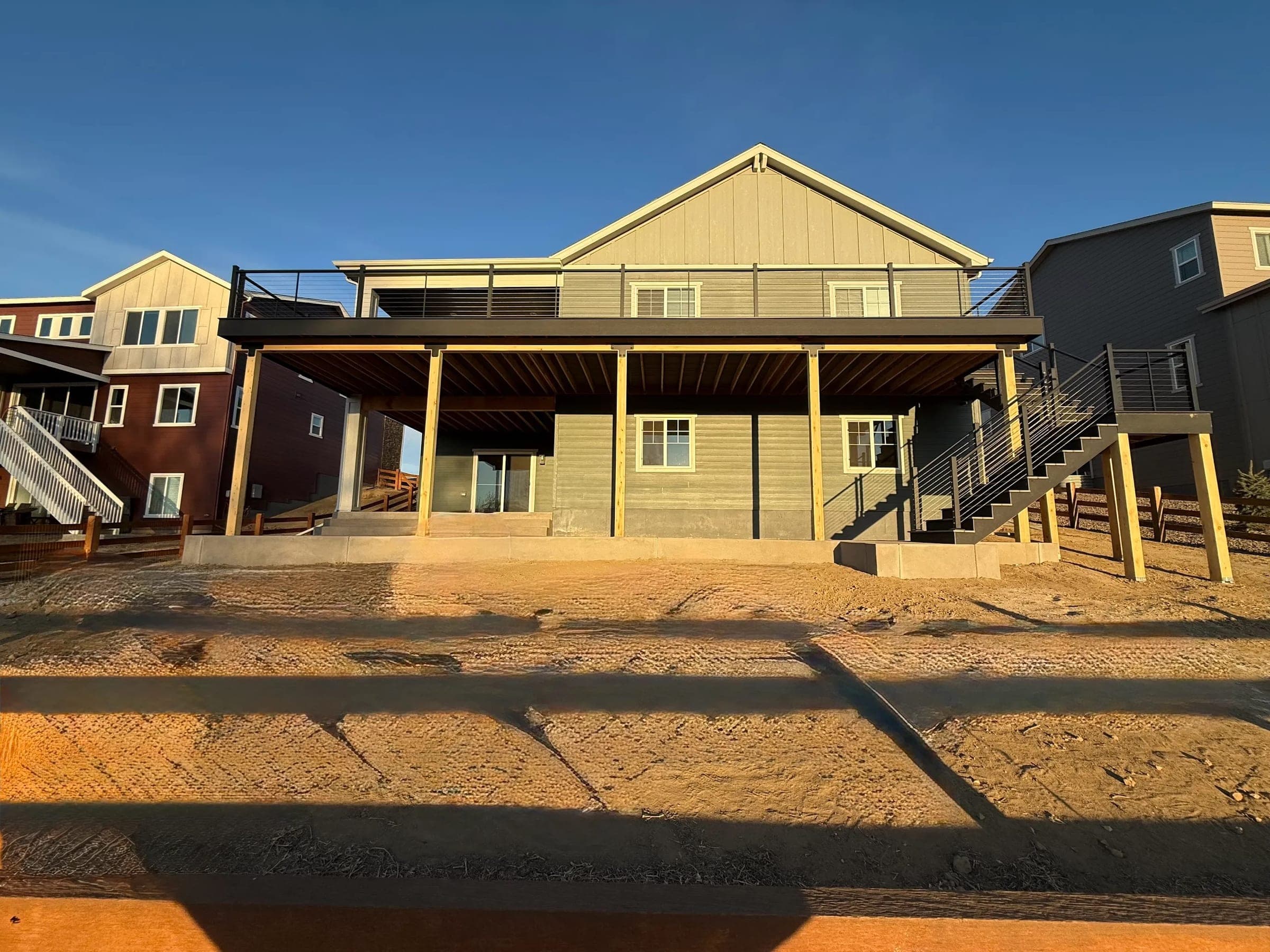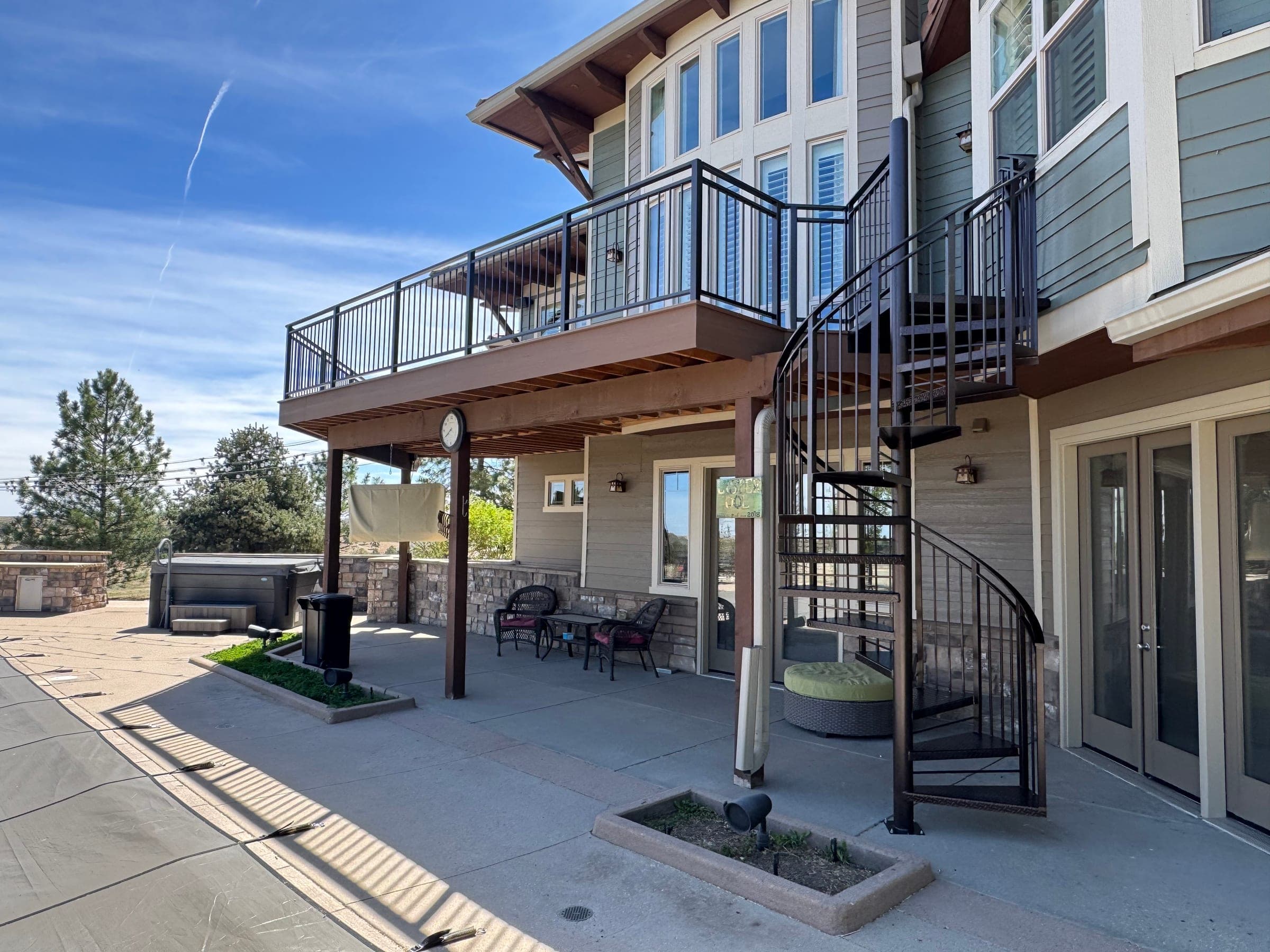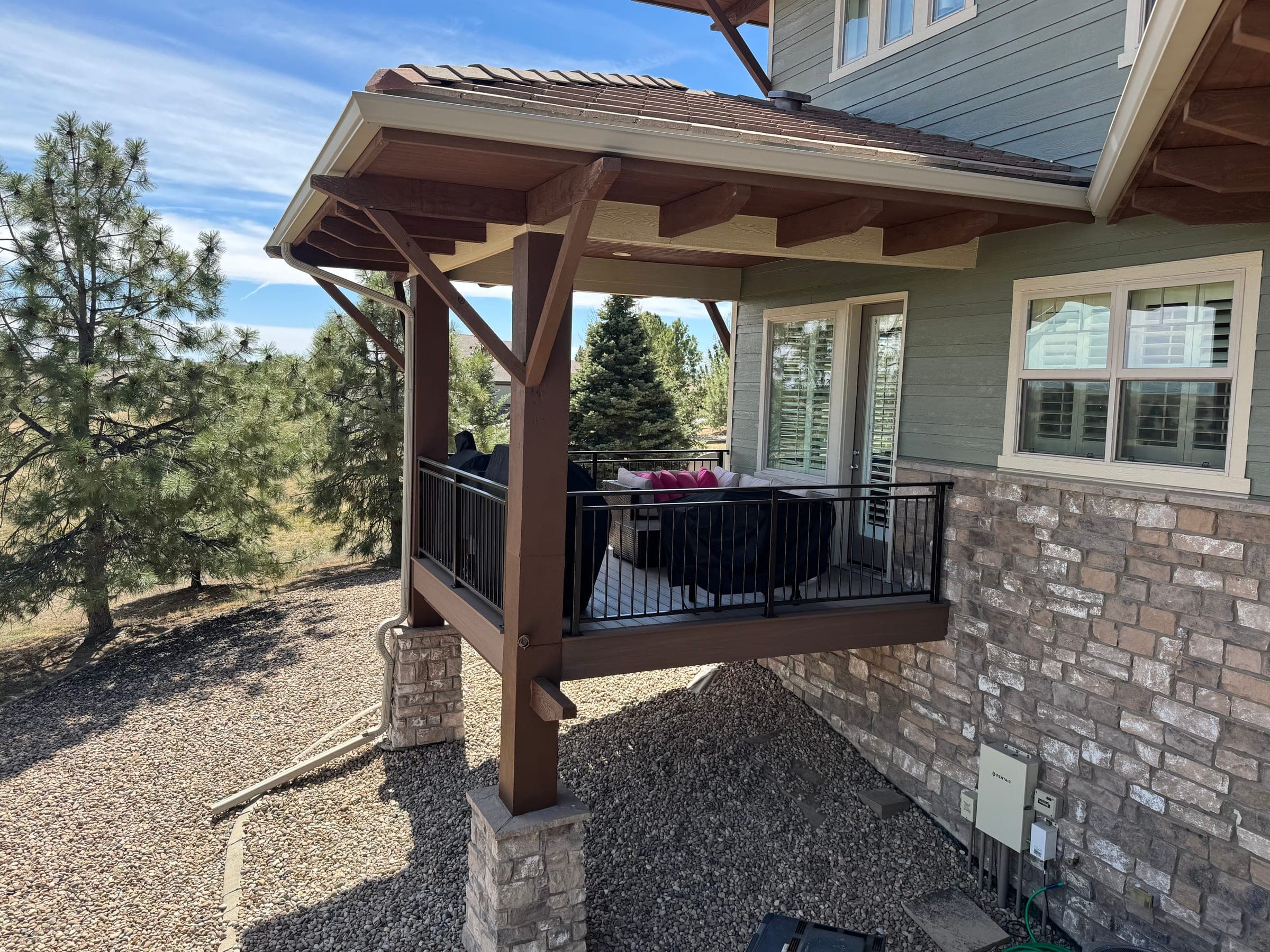
Trex, TimberTech, and Fiberon all install in the same $40–70 per square foot capped-composite range (AZEK PVC runs $50–85). TimberTech is the premium pick and runs 30–35°F cooler in its AZEK and CoolDeck lines; Trex wins on color range and availability; Fiberon is the best composite dollar-for-dollar. In Colorado, the framing underneath matters more than the brand.
When homeowners have decided on composite, the next question is always which brand? Trex, TimberTech, and Fiberon are the three names most people have heard of, and every one of them makes a genuinely good board in 2026. But the three aren't interchangeable — they differ on heat, structure, looks, and warranty in ways that matter, especially at the 5,800–6,200 feet of the south Denver metro, where UV runs about 25% stronger than at sea level.
The 30-second version
- Trex — the household name. Widest availability, the biggest color range in the industry, strong value at the entry tier.
- TimberTech — the premium pick. Best-in-class capping, the deepest realistic wood looks, and a true PVC line (AZEK) that's the most weatherproof of the group.
- Fiberon — the value play. Genuinely good boards, often a little less money than the equivalent Trex or TimberTech line.
The board line moves you within that range — entry lines keep a build near the bottom, flagship and PVC push toward the top.
The lineup at a glance
Board cost is boards only — substructure, railing, and labor sit on top (all-in materials run ~$20–30/sq ft, labor adds $15–35).
| Line | Type | Boards alone / sq ft | Fade & stain | Structural | Labor coverage |
|---|---|---|---|---|---|
| Trex Enhance Naturals | Capped composite | $6–8 | 25 yr | 25 yr | First 10 yrs |
| Trex Transcend / Lineage | Capped composite | $9–13 | 50 yr | 50 yr | First 10 yrs |
| Trex Signature | Capped composite | $12–15 | 50 yr | 50 yr | First 25 yrs |
| TimberTech EDGE | Capped composite | $6–8 | 25 yr | 25 yr | 5–25 yrs by installer tier |
| TimberTech PRO | Capped composite | $9–13 | 30 yr | 30 yr | 5–25 yrs by installer tier |
| TimberTech AZEK | PVC | $12–16 | 50 yr | Lifetime limited | 5–25 yrs by installer tier |
| Fiberon Good Life | Capped composite | $6–8 | 25 yr | 25 yr | 5–15 yrs by installer tier |
| Fiberon Concordia | Capped composite | $9–13 | 50 yr | Lifetime performance | 5–15 yrs by installer tier |
Heat: the one that matters most in Colorado
With roughly 245 fully sunny days a year and altitude UV, surface temperature is the first thing we think about. A standard dark composite board in direct sun can hit ~160°F on a 90°F day — uncomfortable barefoot and hard on lower-grade caps.
All three brands have addressed this, but not equally:
- TimberTech leads. AZEK's capped polymer and the CoolDeck-technology capstock run 30–35°F cooler than standard dark composite.
- Trex answered with Transcend Lineage, engineered to stay cooler than its older dark boards. The entry Enhance line still gets hot in dark colors.
- Fiberon offers cooler-surface options in its premium lines, less consistently across the range.
The rule that beats brand loyalty: color choice alone is worth 10–30°F — a light gray or tan board runs that much cooler than espresso in the same line, whichever brand it's in.
Structure: capped composite vs. PVC
Two fundamentally different board types hide inside these brands:
- Capped composite (most Trex, TimberTech PRO/EDGE, most Fiberon) is a wood-and-plastic core wrapped in a polymer cap. Excellent for the vast majority of decks.
- PVC (TimberTech AZEK) has no wood content at all — the lightest, most moisture- and heat-resistant board of the group, and the top choice for ground-level, poolside, rooftop, or heavy-freeze-thaw applications. It also costs the most.
For a standard elevated backyard deck, capped composite from any of the three is the right tool. For a low deck, or the longest-lived surface money buys, AZEK earns its premium.
Fiberon makes PVC decking too — its Paramount and Promenade boards are aimed at pools and docks — while Trex's core lineup is capped composite. If PVC is the brief, AZEK is the most established line of the three.
Fiberon vs. Trex vs. TimberTech: reading each product line
Each brand sells the same three-step ladder, and the rung you pick matters more than the badge. Line them up by tier instead of brand and the comparison gets simpler:
- Entry tier — Trex Enhance Naturals, TimberTech EDGE, Fiberon Good Life. Entry-grade caps, the shortest product warranties of each range (25–30 years), and dark colors that run hot. A sound choice for a shaded deck or a tight budget.
- Flagship composite — Trex Transcend and Lineage, TimberTech PRO, Fiberon Concordia. Tougher caps, more convincing grain, and 30–50 years of fade-and-stain coverage. The sweet spot for most decks.
- Top tier — Trex Signature, TimberTech AZEK, and Fiberon's PVC boards. The best looks and the most weather resistance, at the biggest price.
What Trex offers that the other two don't is a flat labor clock: the first 10 years no matter who installs it (25 on Signature). Fiberon decking's edge is the lifetime structural warranty on Concordia at a flagship price. TimberTech's is AZEK — the most mature PVC line of the three. Compare like with like (flagship to flagship).
Looks
Genuinely subjective, but our general read:
- TimberTech has the most convincing grain and multi-tonal streaking — from six feet, its premium lines pass for stained hardwood.
- Trex has the widest color palette, which matters if you're matching a specific stone, stucco, or trim color.
- Fiberon is often the closest premium look for the money.
Don't choose from a website. Get physical sample boards, set them on your actual deck site, and look at them morning and evening, sun and shade. Color reads completely differently outdoors than on a screen.
Warranty
For realistic service life rather than warranty terms, see how long composite decking actually lasts by brand and line.
The table above has the years; two mechanics matter more than the headline number. Labor coverage runs on its own clock — during the labor window the manufacturer pays for replacement boards and the install; after it, boards only. And the long terms are prorated — a claim in year 30 of a 50-year warranty typically reimburses a fraction of the original material cost. TimberTech and Fiberon tie labor length to the installer's certification tier. The full brand-by-brand math is in our plain-English warranty guide.
On paper the three are close. In practice, a warranty is only as good as the installation — nearly every real-world composite failure we've seen traces to framing, drainage, or fastening, not the board.
What the brand changes on total deck costs
Less than most people expect. Within a tier, the three brands' boards sit in the same price band — $6–8 per square foot at entry level, $9–13 at flagship — so swapping Trex for Fiberon at the same tier barely moves a quote. Changing tiers does: on a 350-square-foot deck, stepping from an entry line to a flagship one adds roughly $1,000–$2,000 in boards alone. Real money, but small next to what size, height, railing, and stairs do to deck costs — a typical 300–400 sq ft composite deck in the Denver area runs $15,000–$30,000 fully installed.
To see where your own project lands, our deck cost calculator gives a 2026 planning range in thirty seconds, the composite deck cost guide breaks down materials versus labor, and the stairs and railing cost guide prices the add-ons that usually swing a bid far more than the board does.
Around grills, fire pits, and outdoor kitchens
If the deck will carry a grill or an outdoor kitchen, all three brands' capped boards shrug off the spills that stain wood — wine, ketchup, sunscreen — but grease is the exception: wipe it while it's fresh and put a grill mat under any grill or smoker. Heat is the real risk. A stray ember can scorch or melt the cap of any polymer board, and burn damage generally falls outside the product warranties. That's why we isolate built-in grills with proper clearances and non-combustible materials, and why gas fire tables are a safer fit on a composite deck than a wood-burning pit — check the board manufacturer's clearance rules before you buy either.
Fiberon vs. Trex, head to head
Line for line, the two mirror each other on price: Good Life and Enhance Naturals both run $6–8 per square foot in boards, Concordia and Transcend/Lineage both $9–13, and installed decks from either land in the same $40–70 range.
| Trex | Fiberon | |
|---|---|---|
| Entry line | Enhance Naturals — $6–8, 25-yr fade & structural | Good Life — $6–8, 25-yr fade & structural |
| Flagship composite | Transcend / Lineage — $9–13, 50-yr fade, 50-yr structural | Concordia — $9–13, 50-yr fade, lifetime performance structural |
| Labor coverage | First 10 yrs (25 on Signature) | 5–15 yrs by installer tier |
| Heat | Transcend Lineage engineered to run cooler; entry Enhance still gets hot in dark colors | Cooler-surface options in the premium lines, less consistently across the range |
| Looks | Widest color palette in the industry | Often the closest premium look for the money |
Where they actually split: Trex wins on availability and color; Fiberon wins dollar-for-dollar, and Concordia's lifetime structural warranty outruns Transcend's 50 years on paper. Neither difference beats the framing underneath.
The part nobody markets: installation
The brand you pick matters less than who frames the deck. A top-tier board over footings above the frost line (30–36 inches here), oversized joist spacing, or the wrong fasteners will fail long before its warranty runs out — and the manufacturer won't cover framing mistakes. A mid-tier board on a properly engineered, correctly flashed, freeze-thaw-ready structure at 16 inches on center (12 for diagonal layouts) will outlast it easily.
So when comparing bids, spend less energy on Trex-vs-TimberTech and more on the substructure spec, footing depth, and the builder's own labor warranty. Our composite deck page covers how we frame for this climate.
How we choose on a real project
- Sunny, unshaded, want it cool underfoot? TimberTech premium (AZEK or a CoolDeck capstock line).
- Want a specific color or the broadest palette at a fair price? Trex.
- Great composite deck on a tighter budget? Fiberon.
- Low, ground-level, or poolside deck? TimberTech AZEK PVC.
- Not sure? We're a Deckorators Certified Pro Elite installer, and for many Colorado yards its mineral-based boards — cooler underfoot and more dimensionally stable through big temperature swings — are our actual first recommendation.
If you still can't decide between composite and wood, start with our composite vs. natural wood guide, then come back here.
Bottom line
However you order the matchup, it comes down to three questions: how much sun the deck takes, whether the site calls for capped composite or PVC, and what the budget is. Pick TimberTech for premium looks and the coolest, most weatherproof surface; Trex for value and color range; Fiberon for the best composite dollar-for-dollar. Then — more importantly — pick a builder who frames it for Colorado.
Want board samples on your actual deck site, side by side, with a fixed quote for each? Reach out for a free estimate and we'll bring the samples to you.