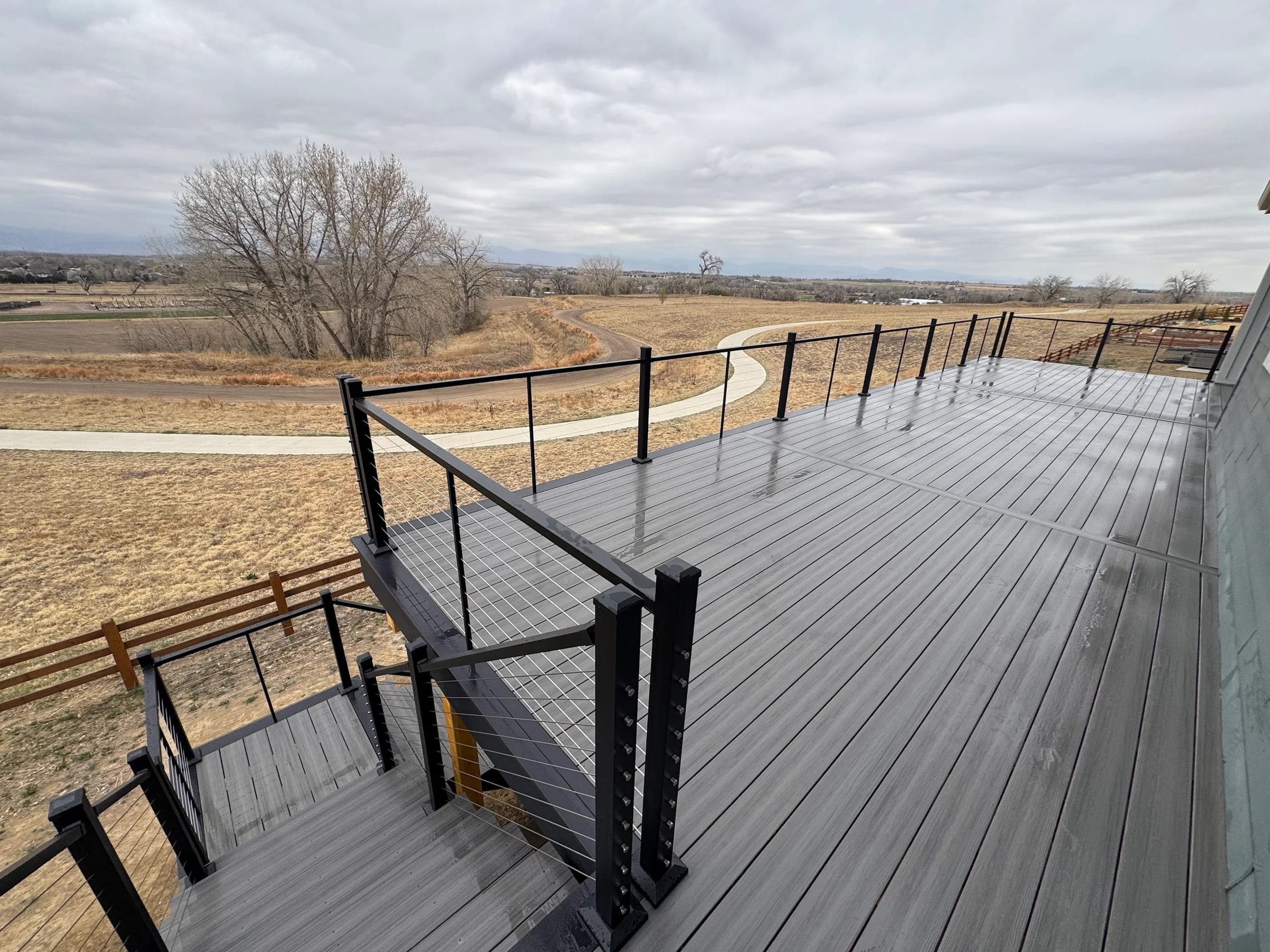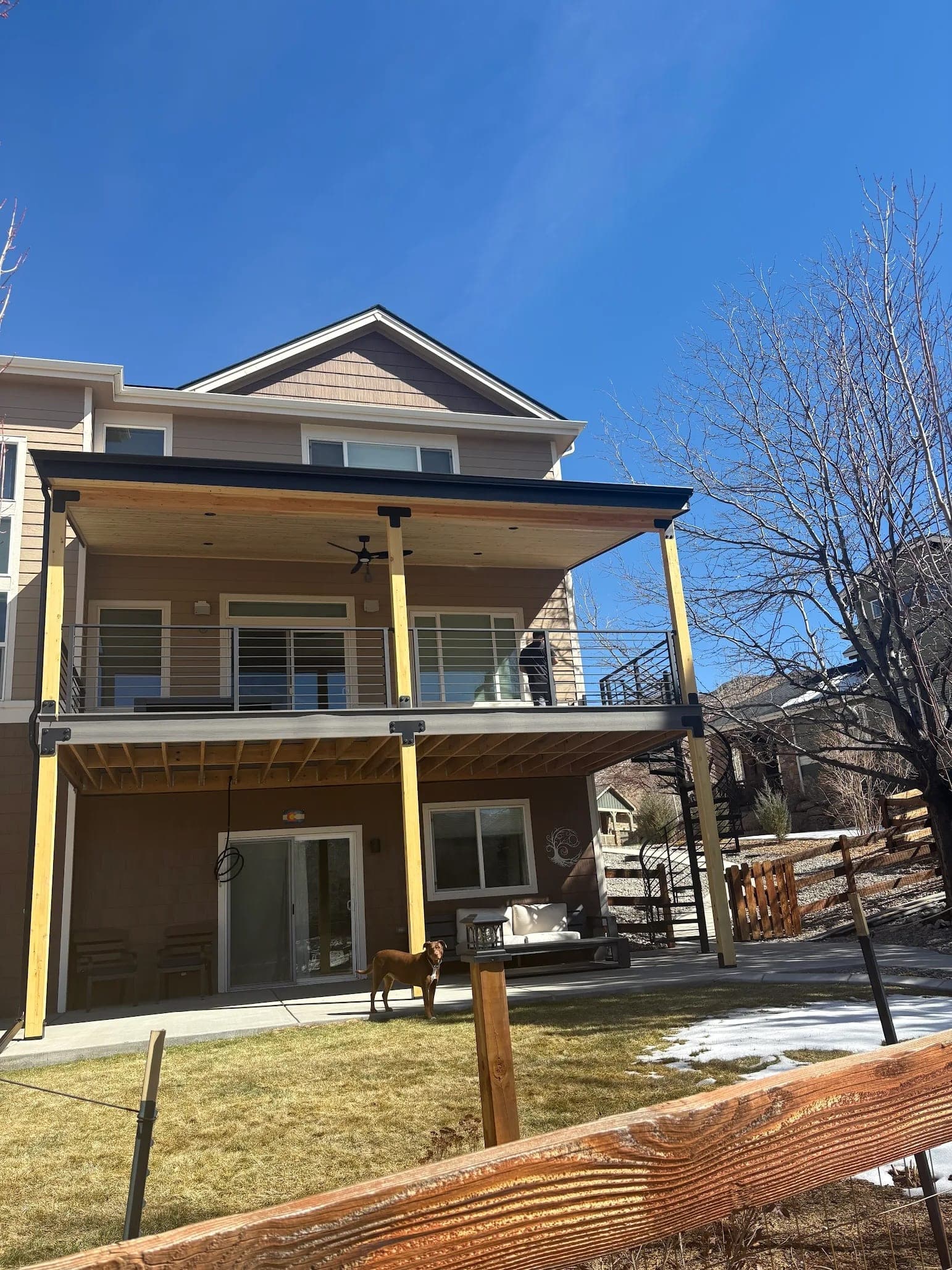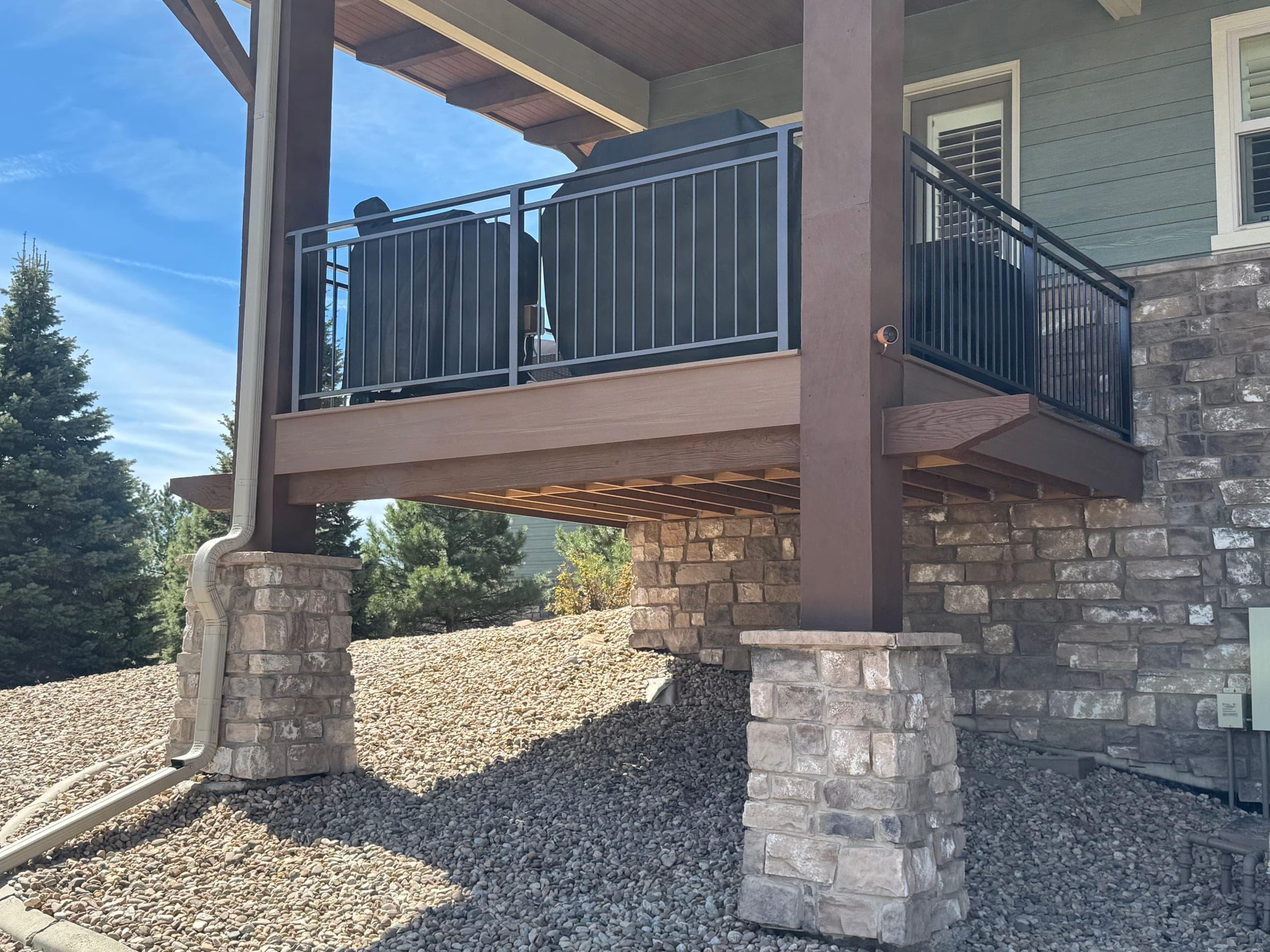
Yes — a deck is a genuinely good investment before you sell: Zonda's 2025 Cost vs. Value Report puts a national wood deck addition at 94.9% of its cost recouped at resale and a composite deck addition at 88.5%. NAR and the National Association of Landscape Professionals' 2023 Remodeling Impact Report separately found homeowners recover about 89% on a new wood deck. Neither report publishes a Denver-specific number — what follows is the best national data available, not a local guarantee.
That matters whether you're deciding to build before listing, or a Denver-area realtor who wants a number instead of a guess. Here's what's documented, what it means for wood versus composite, and when the math says repair instead of rebuild.
What does the data actually say?
Two national studies track this. Zonda's 2025 Cost vs. Value Report (the 38th annual edition, formerly published by Remodeling magazine) prices a specific 16×20 deck addition and tracks what it adds at resale. NAR and NALP's 2023 Remodeling Impact Report: Outdoor Features surveys REALTORS® on a slightly smaller 14×18 wood deck and also asks how much joy homeowners got from the project — their "Joy Score."
| Project | Job cost | Value at resale | Cost recouped | Source |
|---|---|---|---|---|
| Wood deck addition, 16×20, national | $18,263 | $17,323 | 94.9% | Zonda 2025 Cost vs. Value Report |
| Composite deck addition, 16×20, national | $25,096 | $22,199 | 88.5% | Zonda 2025 Cost vs. Value Report |
| New wood deck, 14×18, national | $16,900 | $15,000 | 89% (Joy Score 9.8/10) | NAR/NALP 2023 Remodeling Impact Report: Outdoor Features |
Neither report breaks out a Mountain region or Denver number, and any "Denver ROI" figure quoted elsewhere is almost certainly a national number relabeled. Denver decks do cost more to build correctly than the national average, because altitude-grade footings and framing cost real money, and there's no data saying local resale value scales up to match.
One more honest detail from the NAR/NALP survey: only 9% of REALTORS® said they'd actually recommend building a new deck specifically to help sell a house. Most only recommend it when the existing deck is already a problem. A deck pays you back — it's just rarely the first project a listing agent reaches for.
Why does wood recoup a higher percentage than composite?
Partly arithmetic. "Percent recouped" is resale value divided by job cost, and wood's job cost is smaller to begin with — $18,263 versus $25,096 for composite in the 2025 report. A smaller base makes a smaller dollar gain look like a bigger percentage.
Look at the raw dollars instead and the picture flips: the composite deck's estimated resale value, $22,199, is higher than wood's $17,323. Composite just never fully closes the bigger gap it opened by costing more to build.
Where composite wins clearly is everywhere outside that one resale-percentage stat. We've run the 10-year cost math before: a wood deck wants $400–900 in restaining every 2–3 years, call it $3,000–5,000 over a decade, while composite needs soap and water. At Denver's altitude — UV running roughly 25% stronger than sea level — that maintenance clock runs faster than the national averages assume. And buyers touring a listing are buying zero weekends of future sanding — a line neither report counts, but one that shapes how a deck shows. For the actual installed price gap in today's market, see our composite deck cost breakdown.
What actually makes a deck add value — and what doesn't
The two reports price a specific deck design, but the value drivers behind the number are consistent with what we see on real resales:
- Permitted and inspected. An unpermitted deck isn't a footnote at closing — it's a finding. Buyers' inspectors and title companies flag unpermitted structures, and it can delay or kill a sale outright, or force a tear-out before closing. Our permits guide for Centennial, Arapahoe, and Douglas County covers exactly what gets checked and why "it's just a deck" doesn't exempt you.
- Usable size. A deck too small to fit a table and a grill reads as a bump-out, not a living space. Buyers value usable square footage outside, not that a deck merely exists.
- Stairs to the yard. A deck that dead-ends at a railing disconnects the house from the yard. Stairs down turn two separate spaces into one usable backyard, which is part of what buyers are paying for.
- A cover, in this climate. Colorado's sun makes a shaded deck usable for more of the day and more of the year than an uncovered one — a real functional upgrade here, not just an aesthetic one.
- What doesn't help: over-building for the block. A $45,000 multi-level deck on a starter home won't appraise or sell at a premium that matches the spend — buyers comparing it to similar homes nearby won't pay for square footage the rest of the neighborhood doesn't have. Match the deck to the house, not the other way around.
Selling soon or staying 5+ years — does the math change?
If you're listing within the next year or two, and your existing deck's frame is sound, repair or re-deck it rather than building new. You're buying how the deck shows at an open house, not 25 more years of ownership — so the cheaper fix that looks clean wins. Our deck repair cost guide breaks down real 2026 Denver prices by fix, from a $300–600 service call up through a $800–2,500 ledger repair, and our repair service page covers how we scope that work.
If you're staying five-plus years, the resale percentage matters less than what you'll actually spend and enjoy in the meantime. That's when composite's maintenance-free decade and the 9.8 Joy Score the NAR/NALP survey measured for a new wood deck (joy, notably, not tied to resale at all) both become the more relevant numbers. Build the deck you'll use, in the material that fits how long you're staying.
Run the numbers for your own deck
Every house is different; a national average only gets you so far. Use our deck cost calculator to put real Denver-metro pricing against your own size and material choice, and financing if you'd rather spread a rebuild out than pay it at once.
Thinking about a deck ahead of a sale, or wondering if yours helps or hurts? Reach out for a free on-site estimate — we'll walk the deck and give you real numbers either way.